


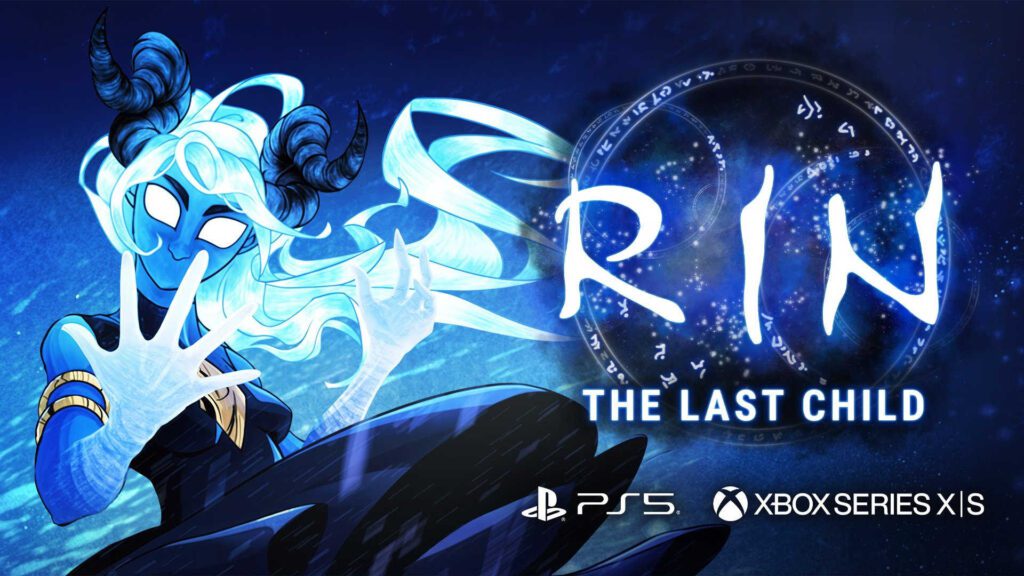
RIN: The Last Child is guilty as charged of giving the player a sprawling map and expects them to remember where they have been. Personally, I can barely remember why I walked into the kitchen, never mind which suspicious-looking doorway I passed three hours ago.
This dark-fantasy Metroidvania understands the appeal of vast exploration, but it occasionally turns the experience into a test of my increasingly questionable memory. Beneath the confusion, though, there is an attractive world, an interesting story and a magic system with plenty of potential.
A Dark Fairytale Adventure
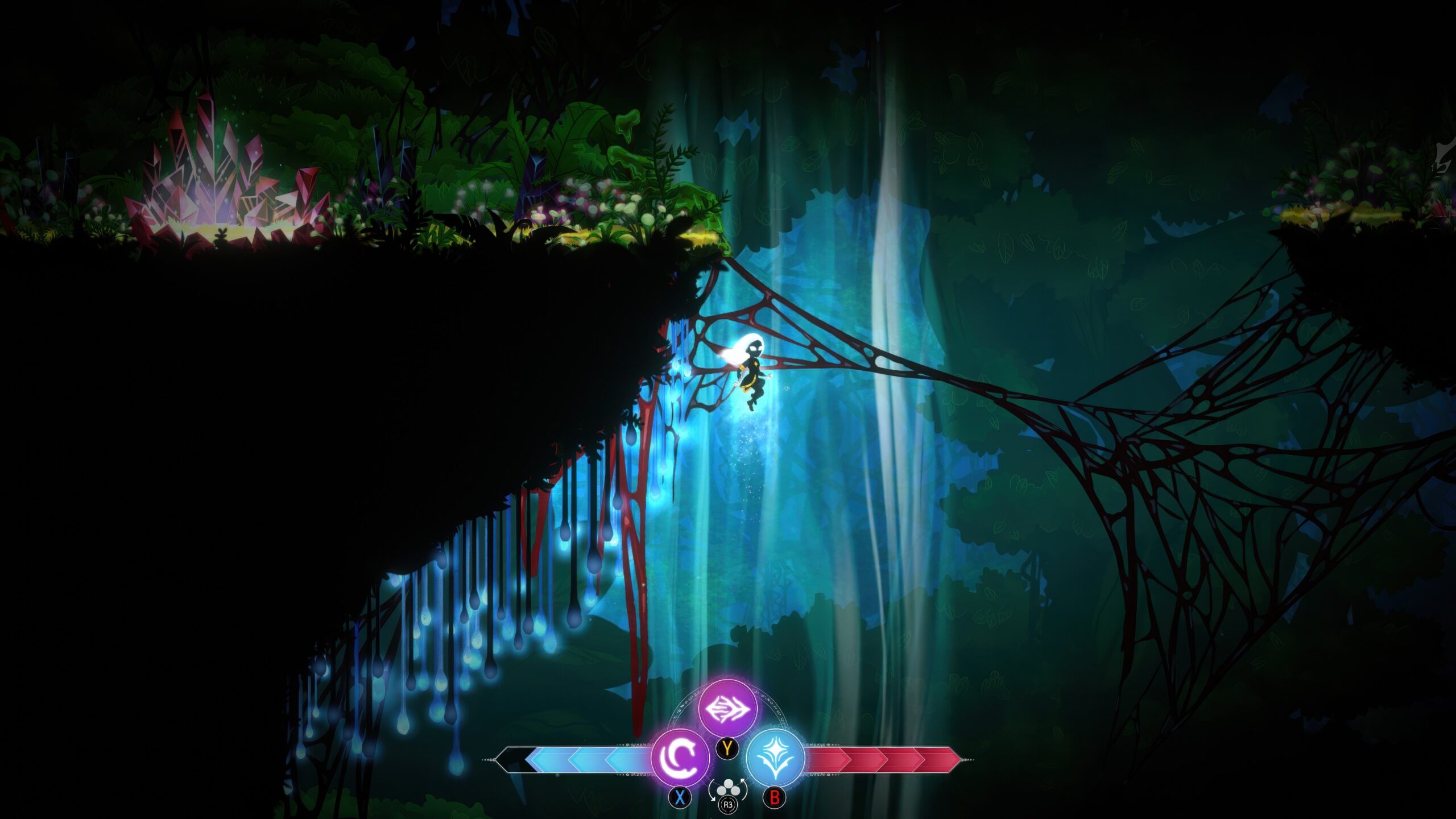
The story draws inspiration from the myth of Cronus and his children, while adding its own ideas about freedom, obedience and responsibility. It is not always straightforward, but the mystery surrounding RIN and her world keeps things on the interesting side.
RIN: The Last Child boasts a setting that remains one of the game’s strongest features. The artwork gives the world dark fairytale atmosphere, and the environments have plenty of personality. It’s one of those games that implore you to occasionally stop and take in the scenery, which is never a bad sign.
Magic With Plenty of Potential
The real meat of RIN: The Last Child comes from its magic system. Rather than simply collecting a handful of spells, you can combine aspects, patterns and runes to create different magical attacks and abilities.
There are 18 elemental spells, with plenty of opportunities to modify them. This gives you room to experiment and create combinations that suit your preferred playstyle.
The system also gives you a reason to explore and collect resources. Sadly, not everything surrounding that exploration works quite as well.
A Map That Tests Your Memory (And Patience)
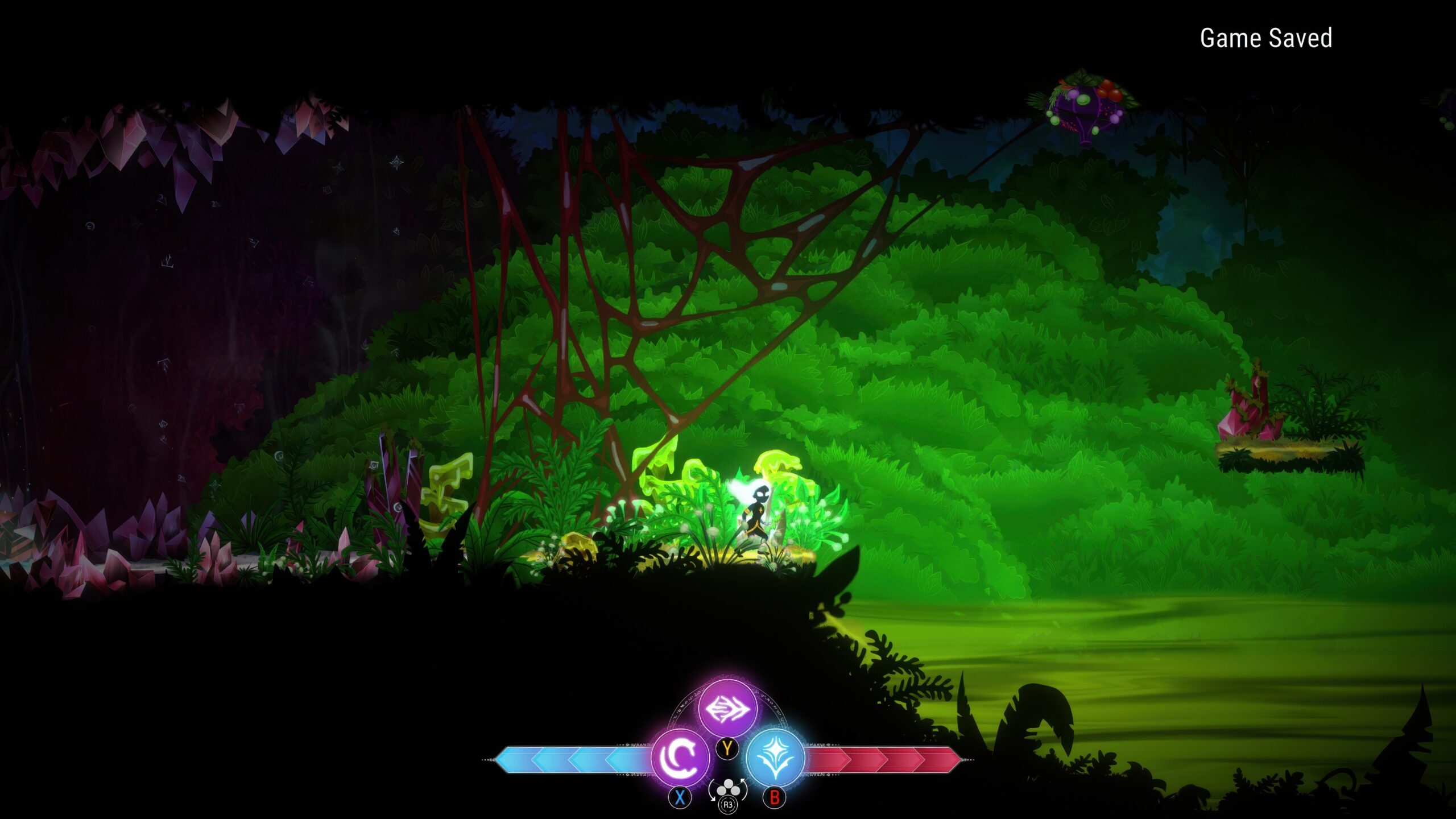
The map is simply enormous, but navigating it can become more confusing than it needs to be. Areas meld together, pathways lead in unexpected directions, and keeping track of where you have already been can become a genuine chore.
The is a certain irony to be found in creating a game about exploration and making the player wish for a giant sign saying, “YOU HAVE ALREADY BEEN HERE!”
Backtracking is the bread and butter of a Metroidvania, but here it can sometimes feel like the game has misplaced your objective along with you.
Platforming Problems
The platforming has its moments, although the controls can feel floaty and imprecise. Some sections are enjoyable, while others become frustrating when a missed jump feels less like your mistake and more like the game quietly moving the goalposts.
When everything works, moving through the world can be satisfying. When it does not, however, things tend to be far more frustrating than fun.
A Promising Adventure With Rough Edges
RIN: The Last Child is difficult to dismiss completely. Beneath the technical problems is a genuinely interesting Metroidvania with attractive artwork, an intriguing story and a magic system that deserves more attention.
It feels like a game that wanted to be bigger than its budget could comfortably support. This is plenty here to like, but reaching those good parts requires attention, perseverance and an unhealthy relationship with the map.
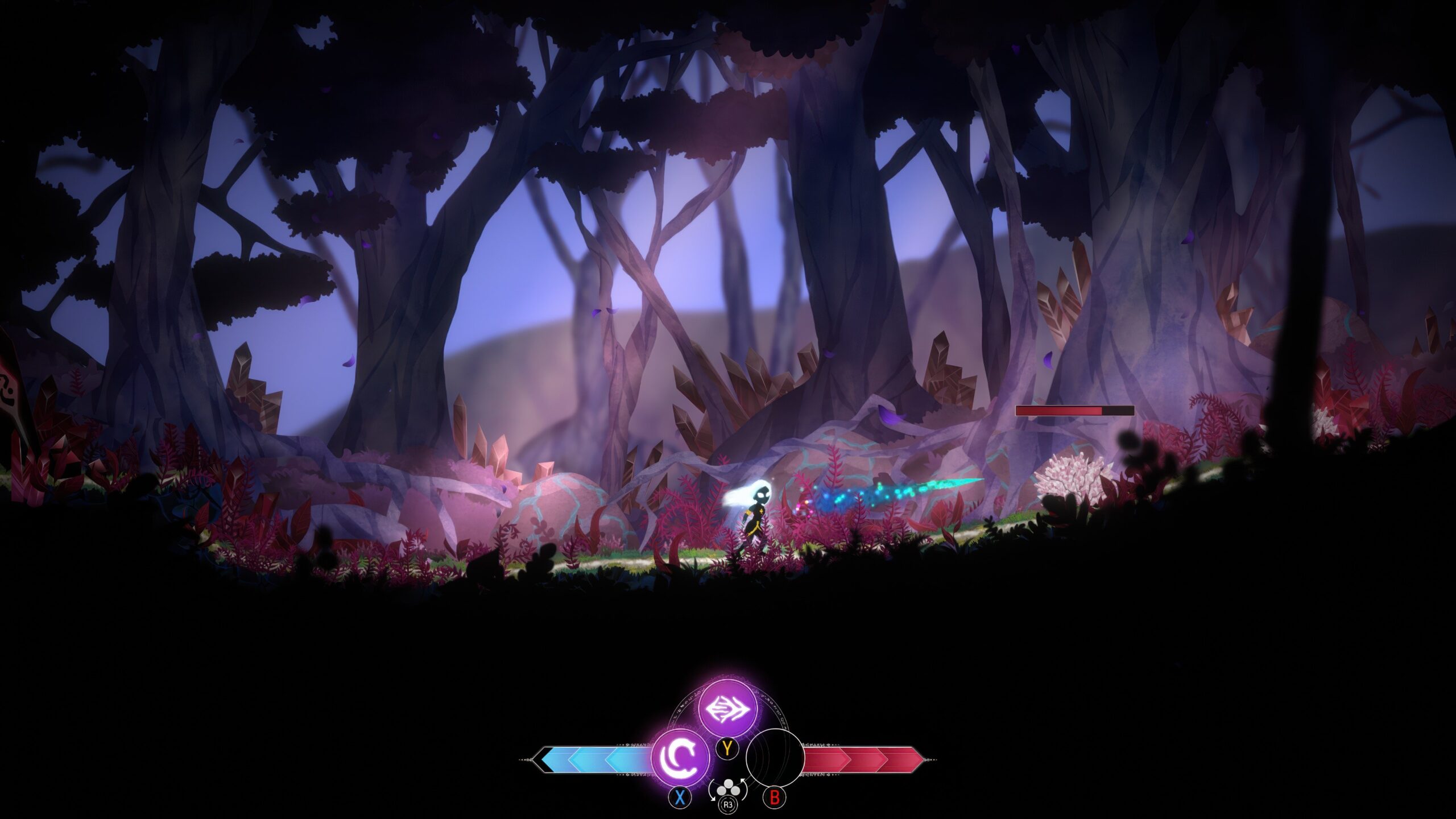
RIN: The Last Child is far from a disaster, but its potential is clearly hampered by execution. If you can tolerate some rough edges, there is an enjoyable magical adventure hiding beneath them.
Summary
RIN: The Last Child offers a beautiful world, an intriguing story and an enjoyable spell-crafting system, but its oversized map, imprecise platforming and technical problems prevent it from reaching its full potential.
It is worth a look for fans of dark fantast and Metroidvanias, particularly those who enjoy experimenting with magical abilities. Just be prepared to get lost, fall off a few platforms and occasionally wonder whether the game is actively playing against you.
REVIEW
OUR SCORE - 6
6
SCORE
A promising magical Metroidvania with a striking world and inventive spell system, held back by confusing exploration, awkward platforming and technical hiccups